30 de Nov 2021 | Coffee
Coffee growers are not forgetting the calamity left by rust in 2013, and they are not yet safe
In 2013, Peruvian coffee growers went through one of the hardest times on their farms due to the attack of rust and CBB, two of the diseases most feared by coffee producers. A rust lesion affects plantations between three and five months because it produces 150,000 uredospores (spores generated from the fungus).

Calamity on the estates
Coffee rust in 2013 caused significant damage in Peru, losses that destroyed up to 50% of the harvest. The situation led farmers to protest in the streets asking for help from the Government. This is how an investigation of the time relates it issued by the La Molina National Agrarian University.
Gerardo Medina, from the Alliance for Sustainable and Competitive Coffee, severely recalls that the rust attack in 2013 left many farms devastated and without production, especially in the central jungle. This event involved many dead plantations and coffee, in different areas, had to be replaced by crops of kion and other products. The most affected varieties, he affirms, were the tall ones, such as Typica, but in general the attack was on most coffee plantations.
Edith Meza from Finca Tasta -who offers coffees of up to 94 points to the market today- had a loss of almost 60% of its production. What did? She consulted an engineer from Costa Rica in order to implement better management in her hectares of coffee and control the attack of pests such as rust, CBB and the so-called chicken eye. For the producer, there is no more resistant variety than another. She considers that it depends on each area, for example in Yailla, where the farm is located, the most resistant varieties are the red and yellow Catimores, Limaníes, Castillo and Catuaí.
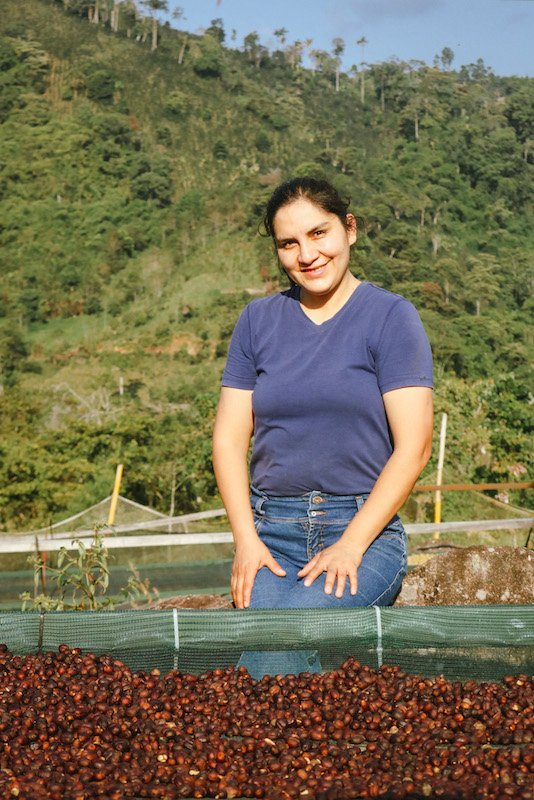
Edith Mesa, from Finca Tasta in Satipo
For Medina, from the Alliance for Sustainable and Competitive Coffee, the main concern lies in the fact that at the meeting of the National Coffee Council it was mentioned that 82% of the samples evaluated on the farms is Catimor: "This is dangerous within the Park Coffee grower because it reduces the genetic base, it means that we have become dependent on a single variety due to the fear of rust. Reducing the genetic base does not mean that there is no danger of plague, however, there are other options to combat it ", he added.
According to the latest statistics from SENASA, cited by Medina, at present, rust is present in 20% of coffee plantations nationwide, followed by chicken eye. In 2021, the 5 main pests in the coffee park are: rust, chicken eye, drill bit, cercospora and leaf miner.
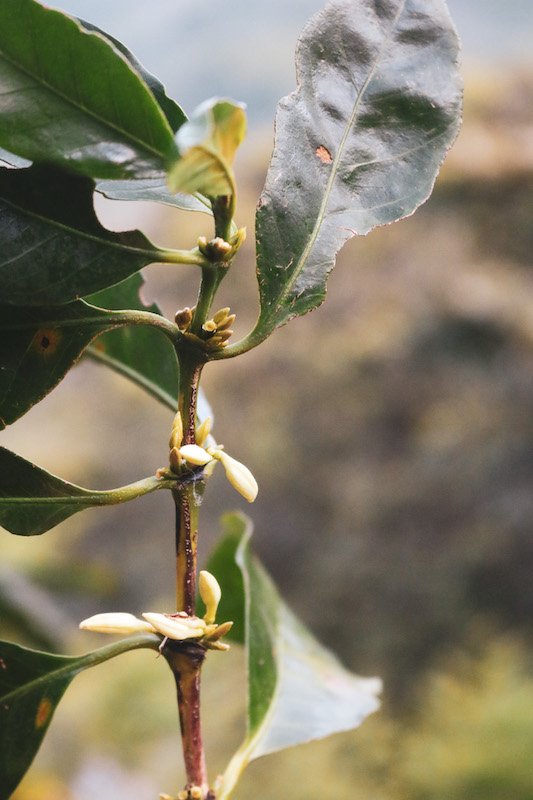
Coffee tree in bloom
Likewise, La Broca, the grain borer (weevil that infects the grain), occurs in all producing areas, especially in those below 1,200 meters above sea level. Only this plague would be responsible for the loss of 300 thousand quintals of coffee per year, 5% of the national production in the most conservative scenario, according to the National Coffee Board.
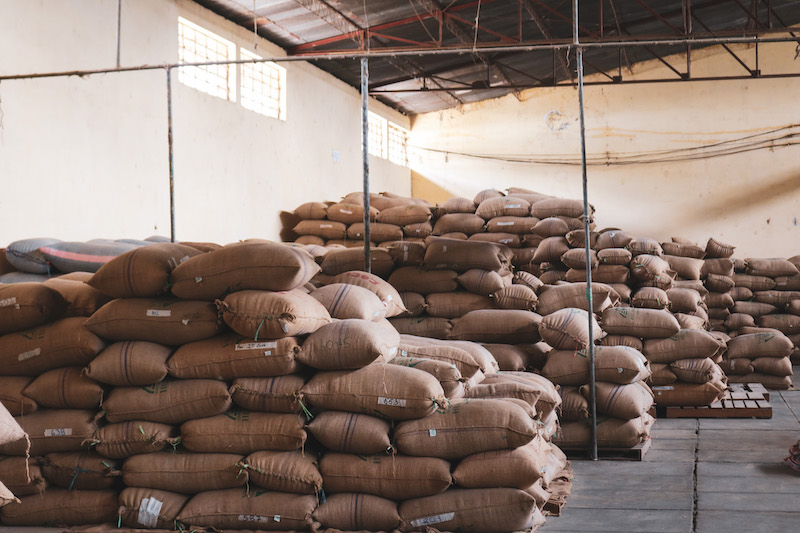
Coffee production in the Cocla cooperative
Victor Falcón, producer of the Canaán farm for several years in Chanchamayo - who also manages reforestation and environmental care plans on his farm - comments that although the crisis that caused the rust completely changed the landscape of farm management, ( resistant varieties were incorporated, greater control was sought in cultural tasks) served as an impetus for several small and medium producers to give way to a more entrepreneurial management, incorporating technology, cultural tasks such as fertilization, brush cleaning, handling of shadows and scrape.
"Let's remember that many farmers had the idea of a coffee harvest and only do cultural work in times close to harvest. Another important point was to see the possibility of alternative products to coffee and that this ceases to be the only source. of income. The impulse of the reforestation began ", says.
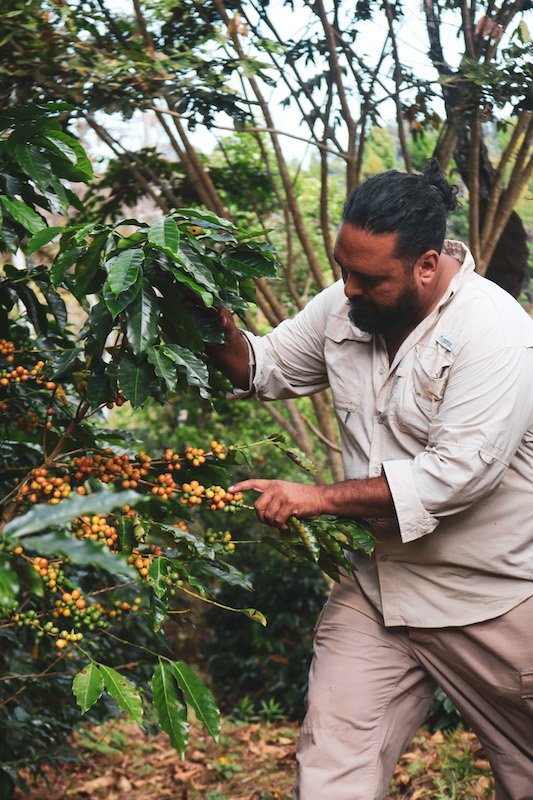
Víctor Falcón in his farm located in Chanchamayo
Producers, by not having a good fertilization plan, are denying the plant a balanced nutrition and this makes it more susceptible to attack by pests. For this reason, there must be good management in the plantation, for example, greater aeration and spacing between the coffee rows. Experts also suggest the implementation of pruning coffee plants and shade trees, adds Medina, who assures that if good practices are implemented, the attack of rust can be controlled in such a way that it does not reach the point of affecting the economic plane.
Let us remember that the National Plan of Action for Peruvian Coffee (PNA-Coffee) has as a priority economic, equitable, competitive and sustainable growth; and considers the priority guideline to promote competitiveness based on the economic development potential of each territory, facilitating its articulation to the national and international market, ensuring the sustainable use of natural resources and cultural heritage.
The State declares that it has spent 186 million soles on coffee, of which 7 and more have been earmarked for health. Is it enough? Is it well managed? The sector requires a quick transition from diagnosis to action, also changing inertia.
From the side of the Peruvian Chamber of Coffee and Cacao, it is pointed out that despite these obvious problems, producers, companies and cooperatives continue to bet on this product. Thus, beyond the honeymoon of prices, there is a private sector that bets on this crop, but that cannot supply strategic services that in most countries are assumed by the State.
Fact:
The Peruvian Chamber of Coffee and Cocoa, in coordination with the Swiss Cooperation and within the framework of the Alliance for Sustainable and Competitive Coffee Project, works on guidelines and promotion plans that consider among their objectives to improve the level of productivity of coffee farms In this sense, it is important to share information with coffee growers on the diseases that affect their plantations.