06 de Aug 2021 | Cocoa
Supply markets: an attractive channel for the supply of Peruvian coffee
42% of the growth in spending by Peruvian households was generated by the supply markets one year after the pandemic.

The supply or neighborhood markets are closed premises composed of individual wholesale and retail stalls, which are dedicated to the collection and sale of food and other traditional non-food products. They constitute the main form of supply of food, goods and services of the population at the national level.
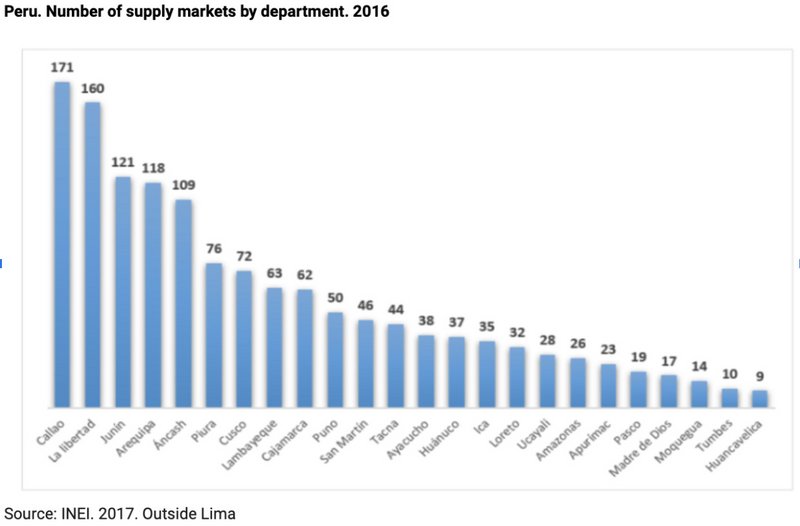
In Peru there are 2,612 supply markets, of which 44 are wholesalers and 2,568 are retailers. 1232 are in Lima. It is an important channel for the national economy because it provides jobs to more than 9000 people. In addition, 75% of Peruvians make their purchases in this type of premises (INEI, 2017).
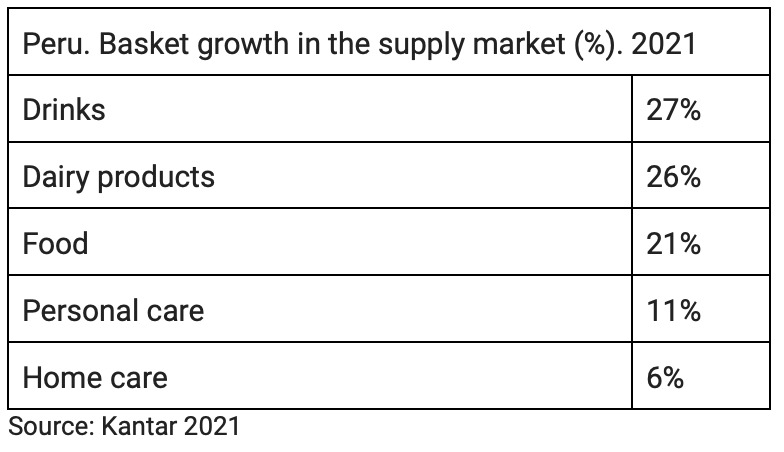
According to a report by Kantar (2021), although during the pandemic there was a drop in the frequency of visits to markets, households have increased expenses for each act of purchasing mass consumer products by 18%. Within the supply market, it is observed that, among all the baskets, the category of beverages that includes coffee and others has been the one that has grown the most due to its link with indulgence.
Nowadays the most important aspects to choose the channel of purchase of these products are the proximity to the home and the assortment. In addition, because contagion by Covid-19 is still feared, the buyer who perceives these characteristics at a point of sale will be more inclined to buy in this same place. Kantar affirms that the pandemic has inaugurated the “era of loyalty to the point of sale”.
The supply markets have become the most important channel, 42% of the growth in spending in the last year came from this channel. Households from the middle strata in the country have been the ones that most transferred their consumption here.
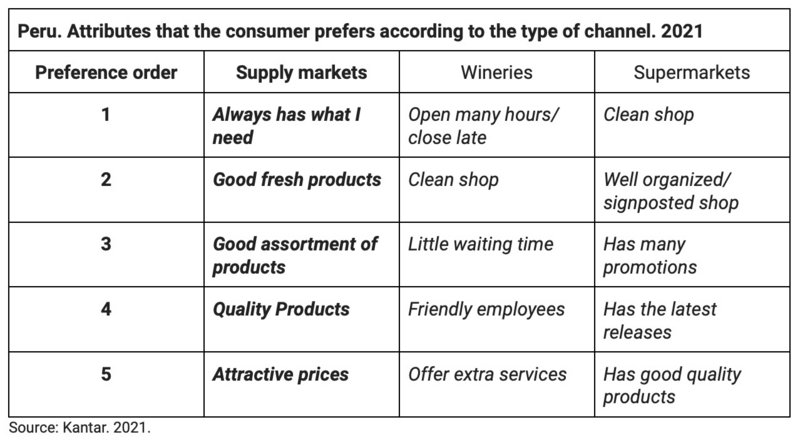
The consumer values ??the attributes of each channel differently. The preferred features by type of point of sale are listed below in order from highest to lowest.
Due to the above, the supply market is an attractive channel for players in the coffee category since a large part of Peruvian consumers make their purchases for domestic consumption in these stores. There is a commercial window for manufacturers of local and regional coffee brands.
Those who buy in a supply market value the variety of products at a comfortable price, as well as the experience of talking with the "landlord" (the seller or owner of the stall). There are indications that their link to the point of sale and local production has been strengthened during the pandemic.
There is no doubt that the supply markets are a welcoming point of sale for the local consumer: they provide an interesting and still little explored space to promote the consumption of coffee, and it is also rich in information that can be studied to identify the motivators for buying coffee. potential consumers in the domestic market.
________________________________________________
Sources:
1) Kantar. 2021. Informe de canales de venta en el Perú.
2) Inei. 2017. Censo Nacional de Mercados de Abasto
3) Dante Zegarra. (13 de junio del 2017). Existen 2612 mercados de abasto en el Perú que generan más de 9000 empleos. Andina
4) Pablo O Brien (14 de abril del 2020) Sin estrategia para los mercados, perderemos la guerra contra el virus
5) Imagen de cabecera: Blog "tatayap"